


Our Little Contribution
Fashion leaves a lot behind.
Every garment begins with a material. And somewhere along the way, there is often something left behind — fabric that was never used, a garment that was never sold, a design that has had its moment. Fashion has always been an industry of making, but when making becomes more than what is needed, the cost is not only commercial. It is textile waste, resources used for something that may never be worn, and clothes that eventually find their way to landfills. We know Modo Caldo is a part of this industry. We also know we cannot make fashion without leaving some footprint behind. What we can do is make that footprint a little more considered.
Made when there is a reason to make
We do not produce our garments in large quantities and wait for someone to buy them. A design first exists as a sample, and once someone chooses it, we make it. Sometimes that means making it in a standard size, sometimes it means making it to someone’s measurements. Either way, the garment is being made because there is someone who wants to wear it. For us, this is one of the simplest ways to avoid making more clothes than there are people to wear them. The garment takes the time it needs to be made, because we would rather make with purpose than make in excess.
When something still has a life left in it
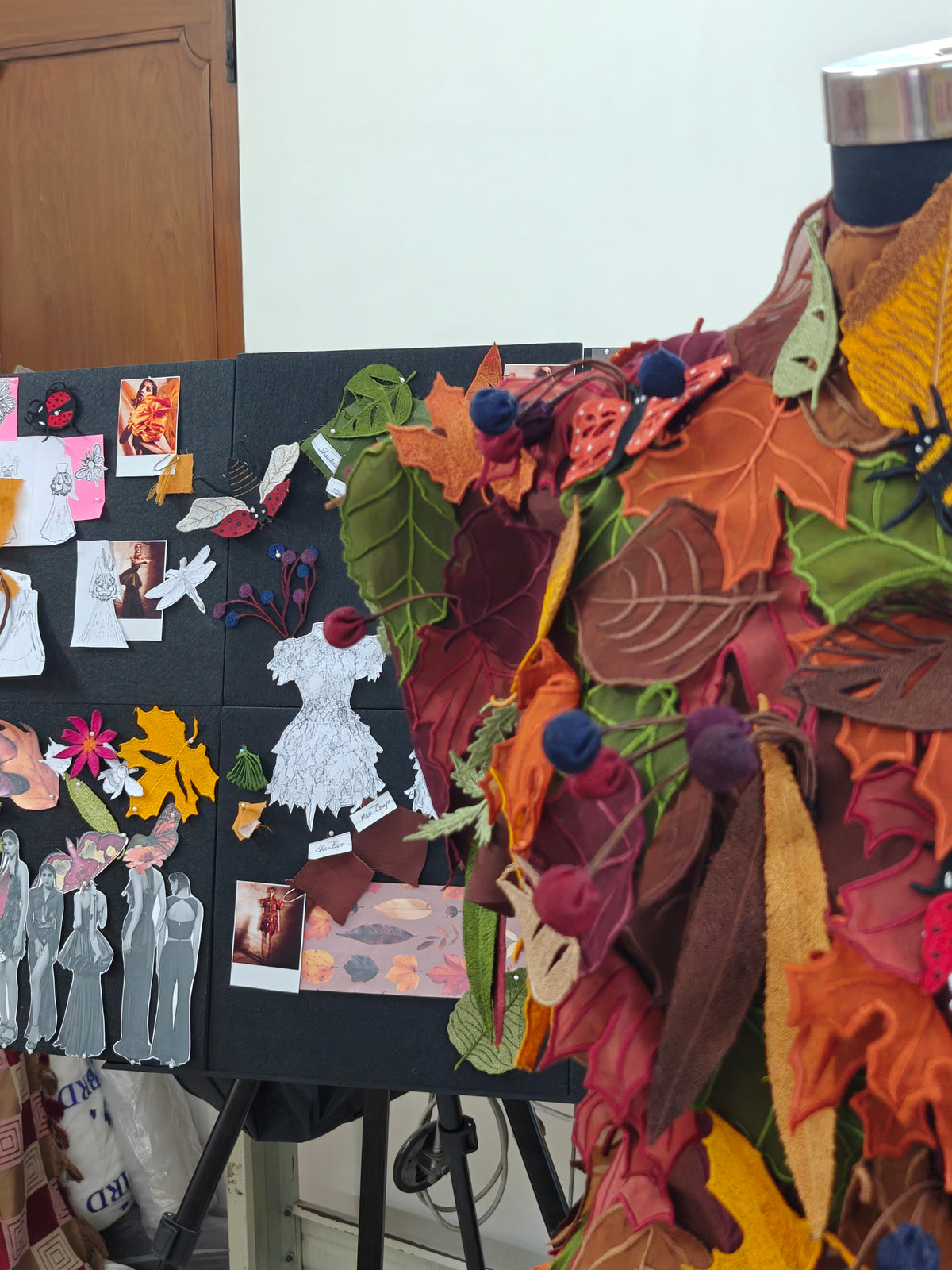
A garment does not always become unusable just because the design has. When a piece is reworked, we look at what can still have a life. If the fabric remains intact, we keep it. If the fabric is no longer usable but the embroidery or another element can be recovered, we keep that too. These materials can find their way into future designs and collections, giving something that already exists another purpose instead of becoming another piece of textile waste. It is a simple way of asking ourselves, before something is discarded: can this still be used?
What we choose to make with
The material matters too. Our fabrics are primarily silk and viscose, and we are particular about keeping polyester fabrics to a minimum. We are also exploring organic materials and other more environmentally considerate options as we continue to develop our collections. We do not believe that choosing one fabric suddenly makes a garment sustainable. There are many stages to making clothes, and not all of them are easy on the environment. But the material is one choice we can make, and we make it carefully. We also believe you should know what you are wearing, which is why fabric and lining compositions are listed on our product pages.
Even the things around the garment
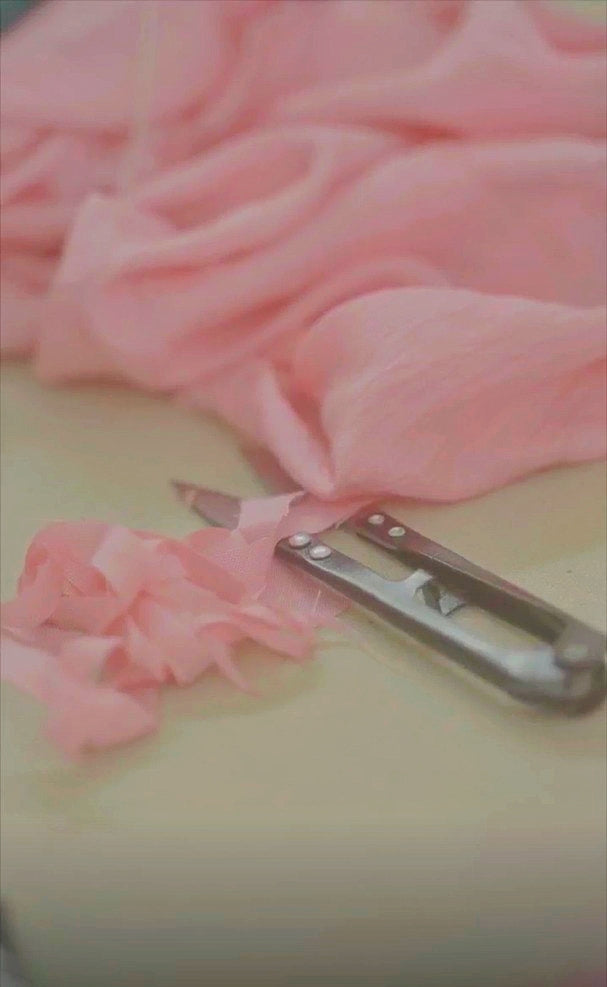
The garment is only one part of what we send into the world. Our boxes are made from board, and our garment covers are made from fabric so they can be used again. These choices may seem small, but they come from the same thought: not everything around a garment needs to be made for a single use and then discarded. For us, sustainability is not one large decision made once. It is a collection of smaller decisions made throughout the life of a garment.
We are still figuring it out
We are not a plastic-free brand. We are not claiming that everything we do is environmentally friendly, and we certainly do not believe that we have solved the problem of textile waste. We are simply aware that fashion has a problem — and that being aware of it should change some of the decisions we make. So we make less when less is needed, give materials another chance when they still have one, choose our fabrics with care, and keep looking for ways to do better. It may not be a complete answer, but it is our little contribution.